
How to Increase Your Home’s Value with Interior Design
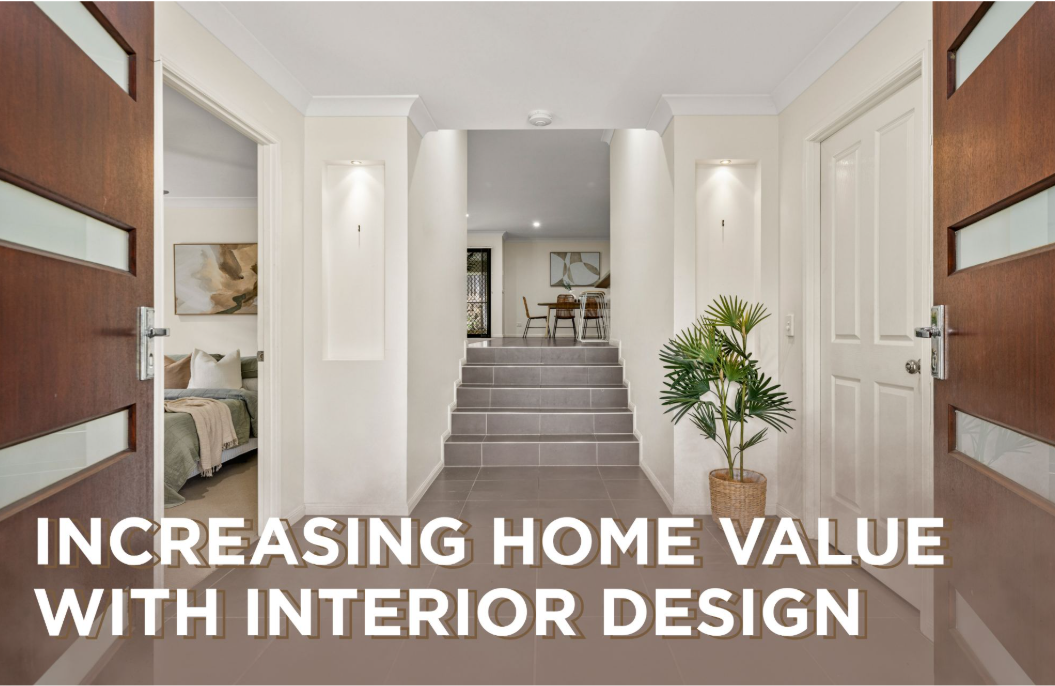
For most homeowners, a house is much more than a place to live—it’s one of the biggest investments they’ll ever make. Whether you’re planning to sell in the near future or simply want to enjoy a more beautiful and functional home, thoughtful interior design can make a significant difference.
Many people assume increasing property value requires expensive renovations or complete remodels. While major upgrades certainly have their place, interior design often delivers impressive returns by improving how a home looks, feels, and functions. A well-designed space creates a positive first impression, enhances everyday living, and helps potential buyers emotionally connect with the property.
At Shelley Auffret, we believe exceptional interior design isn’t about chasing trends—it’s about creating timeless spaces that balance beauty, functionality, and lasting value.
Why Interior Design Matters to Property Value
When buyers walk into a home, they’re evaluating much more than floor area and location. They’re imagining themselves living there.
A bright, well-planned, and cohesive interior can make rooms feel larger, more welcoming, and more luxurious. Even if two homes have similar layouts and features, the one with thoughtful interior design often leaves the stronger impression.
Research from the National Association of REALTORS® found that professionally staged homes can receive higher offers and often spend less time on the market because buyers find it easier to visualise themselves living in the space. Likewise, simple improvements such as decluttering, neutral styling, and quality lighting consistently improve buyer perception.
1. Prioritize Functional Layouts
Beautiful furniture alone won’t increase your home’s value if the layout doesn’t work.
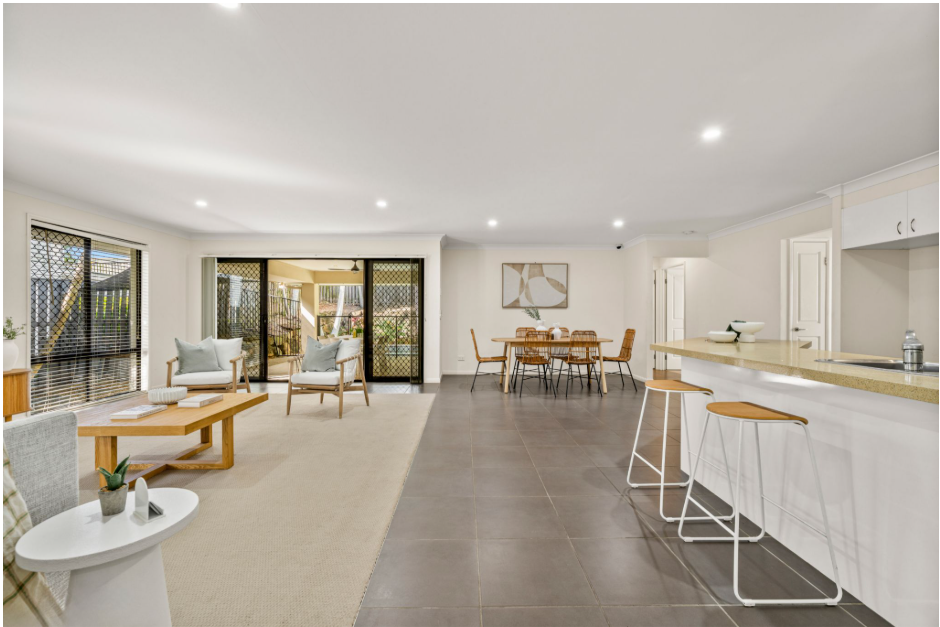
One of the biggest advantages of working with an experienced interior designer is creating spaces that flow naturally. Every room should have a clear purpose, comfortable circulation, and furniture positioned to maximise both functionality and aesthetics.
Simple layout improvements can include:
- Creating better traffic flow.
- Defining open-plan living areas.
- Improving furniture scale.
- Maximizing natural light.
- Removing unnecessary or oversized furniture.
A functional home feels larger without adding a single square metre.
2. Invest in Timeless Design Instead of Trends
Design trends come and go quickly.
While bold colours or highly specific styles may be fashionable today, timeless interiors tend to appeal to a much broader audience and retain their value for years.
Consider incorporating:
- Neutral colour palettes.
- Natural timber finishes.
- Stone surfaces.
- Quality cabinetry.
- Elegant lighting.
- Simple architectural details.
Timeless design creates longevity, reducing the need for constant updates while maintaining strong buyer appeal.
3. Focus on the Rooms That Matter Most
Not every room contributes equally to buyer perception.
Living areas, kitchens, and main bedrooms consistently have the greatest influence because they’re where people spend most of their time. According to the National Association of REALTORS®, these spaces are among the most important rooms to stage when preparing a property for sale.
Rather than spreading your budget across the entire home, consider investing in these high-impact areas first.
Living Room
A welcoming living room should feel open, comfortable, and uncluttered. Carefully selected furniture, layered lighting, and balanced styling create an inviting atmosphere.
Kitchen
You don’t always need a complete renovation.
Replacing outdated hardware, upgrading lighting, refinishing cabinetry, or introducing premium finishes can modernise a kitchen without extensive construction.
Primary Bedroom
Buyers are drawn to bedrooms that feel calm and relaxing. Soft textures, quality bedding, thoughtful lighting, and restrained styling help create a luxurious retreat.
4. Let Lighting Transform Your Home
Lighting is one of the most overlooked elements of interior design.
Natural light instantly makes spaces feel larger, cleaner, and more inviting. Where natural light is limited, layered lighting can completely change the mood of a room.
A balanced lighting plan typically includes:
- Ambient lighting for overall illumination.
- Task lighting for functionality.
- Accent lighting to highlight architectural features and artwork.
Warm, consistent lighting throughout the home creates a polished and cohesive appearance.
5. Choose Quality Over Quantity
Luxury isn’t defined by how many decorative items fill a room.
Instead, it’s often achieved through fewer, higher-quality pieces that work harmoniously together.
Investing in durable furniture, premium materials, custom joinery, and carefully selected finishes not only improves daily living but also elevates the perceived quality of the entire property.
6. Use Colour with Purpose
Colour influences how people experience a space.
Neutral palettes remain popular because they create a sense of openness while allowing buyers to imagine their own style within the home.
This doesn’t mean every room needs to be white. Soft earthy tones, warm greys, muted greens, and subtle textures can introduce personality without overwhelming the space.
7. Eliminate Visual Clutter
One of the fastest ways to increase perceived value costs very little.
Clutter makes rooms feel smaller and distracts from the home’s best features.
Professional designers often recommend:
- Removing unnecessary furniture.
- Organising storage.
- Clearing benchtops.
- Minimizing personal collections.
- Creating a visual breathing room.
Recent guidance from professional home stagers consistently highlights decluttering and depersonalising as some of the most effective ways to improve buyer appeal.
8. Create Consistency Throughout the Home
Homes feel more expensive when every room feels connected.
Consistent flooring, complementary colour palettes, coordinated materials, and cohesive styling create visual flow from one room to the next.
This doesn’t mean every room should look identical. Instead, each space should feel like part of the same story.
9. Add Character with Architectural Details
Small architectural enhancements often create a premium look without requiring structural renovations.
Examples include:
- Decorative wall mouldings.
- Feature ceilings.
- Built-in shelving.
- custom joinery.
- High-quality door hardware.
- Statement lighting fixtures.
These details contribute to a home’s overall sophistication and perceived craftsmanship.
10. Work with an Experienced Interior Designer
Perhaps the most valuable investment is expert guidance.
Professional interior designers understand how to balance aesthetics, functionality, budget, and long-term value. Rather than making isolated design decisions, they create cohesive spaces tailored to both your lifestyle and your property’s potential.
Good design isn’t simply about making a home beautiful—it’s about ensuring every decision serves a purpose.
Interior Design Is an Investment, Not Just an Expense
Increasing your home’s value doesn’t always require extensive renovations or major structural changes.
Thoughtful interior design can enhance everyday living while making your property more desirable to future buyers. From improving layouts and lighting to selecting timeless finishes and creating cohesive spaces, every design decision contributes to how your home is experienced.
Whether you’re preparing to sell or planning to stay for many years, investing in professional interior design is ultimately an investment in both your lifestyle and your property’s long-term value.
Frequently Asked Questions
Does interior design really increase property value?
Yes. While design alone doesn’t change a property’s size or location, it can significantly improve buyer perception, functionality, and market appeal. Well-designed homes often attract more interest and can sell faster, particularly when combined with good presentation and maintenance.
Which rooms should I update first?
Living rooms, kitchens, and main bedrooms generally provide the greatest return because they have the strongest influence on buyer decisions.
Is hiring an interior designer worth it?
For many homeowners, yes. A professional designer helps avoid costly mistakes, creates a cohesive vision, and recommends improvements that deliver both aesthetic and practical value.
Should I renovate before selling my home?
Not necessarily. In many cases, strategic interior design, styling, decluttering, improved lighting, and minor cosmetic updates provide excellent returns without the expense of a full renovation.
Ready to Transform Your Home?
Whether you’re planning a renovation, preparing your property for sale, or simply want to create a home that reflects your lifestyle, thoughtful interior design can make a lasting difference. The right design choices not only enhance the way you live today but can also add long-term value to your investment.
If you’re ready to elevate your home with expert guidance and timeless design solutions, the team at SARE is here to help. We take the time to understand your vision and create spaces that are both beautiful and functional.
Get in touch with SARE today to discuss your project and discover how professional interior design can bring out the full potential of your home. We’d love to help turn your ideas into a space you’ll enjoy for years to come.